DarkSky Initiative

We know artificial light at night harms wildlife — from birds and amphibians to insects and plants. But together, we can change this story. By choosing wildlife-friendly lights, closing curtains, or simply turning off what we don’t need, each of us can protect the night and the creatures that depend on it.

Simple Steps For Lasting Change

Did you know that keeping lights out at night can truly benefit our ecosystem? It allows nocturnal animals to thrive, helping them find food, mate, and migrate without disruption. Plus, fewer lights mean happier pollinators like moths and other nighttime insects, which are vital for healthy plant life and biodiversity!

How Artificial Light Impacts Wildlife

Did you know that too much artificial light at night can throw Florida’s wildlife off balance? Sea turtle hatchlings use the natural glow of the horizon to find the ocean, but bright lights can disorient them and send them the wrong way. Owls and other night hunters rely on darkness to spot prey, yet excess lighting changes insect and small animal activity, making it harder for them to feed. Native plants may bloom at the wrong time, confusing the pollinators they need. By turning off unnecessary lights, shielding outdoor fixtures, or choosing wildlife-friendly bulbs, we can give the night back to nature and protect the creatures that share our island home.

Use only the light you need

Make Sure All Light Has A Purpose

Only use lighting when and where it is truly needed. If a light isn’t necessary, consider removing it altogether. Light only the target area.
Direct the beam downward and shield it so the light doesn’t spill into the sky, trees, or neighbors’ property.
Use the lowest brightness possible.
Over-lighting doesn’t improve safety — it often creates glare, shadows, and confusion.
Limit the time lights are on.
Timers, dimmers, or motion sensors help ensure lights aren’t burning all night when no one’s around.

Beaches & Coastal Areas: Artificial light near the shore can disorient nesting sea turtles and hatchlings (they head toward artificial lights instead of the ocean). Many Florida counties now require “turtle-friendly” amber LEDs or no lighting at all on beaches.

Backyards & Lawns:
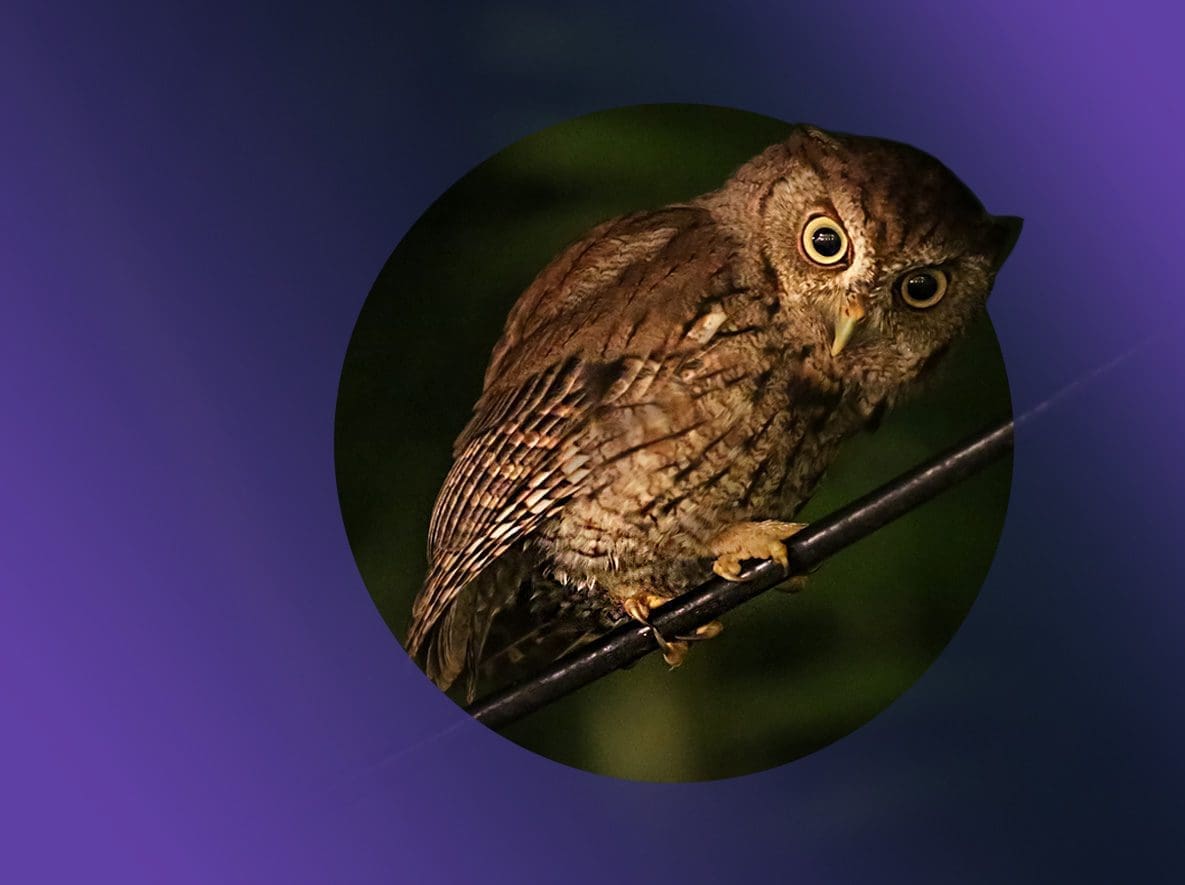
Large floodlights left on all night usually aren’t needed. Wildlife such as owls, bats, and fireflies thrive better without them.

Landscape Uplighting (trees, palms, etc.): Looks nice but often spills upward into the sky — consider removing or replacing with low, shielded accent lights.

Ask yourself: how much light do you really need? For most outdoor jobs, less is more. Outside a garage, 300–800 lumens is plenty. Pathways? 300 lumens or less keeps things safe without overdoing it. Aim to keep your total under 1,000 lumens — your eyes (and the night sky) will thank you.

Use Timers and Sensors
Even if you need light at night, there’s no reason for it to shine all evening long. Put your fixtures on a timer or motion sensor so they only come on when needed. Bonus: you’ll cut your energy bill while protecting wildlife.

Choose Warmer Bulbs
For outdoor fixtures, go with bulbs that give off a warm, amber glow. The sweet spot is 2700K or lower — gentle on people, plants, and animals. If you have to use a higher CCT (like 3000K), make sure the light is fully shielded, pointed down, and paired with a timer or sensor to keep spill light to a minimum.

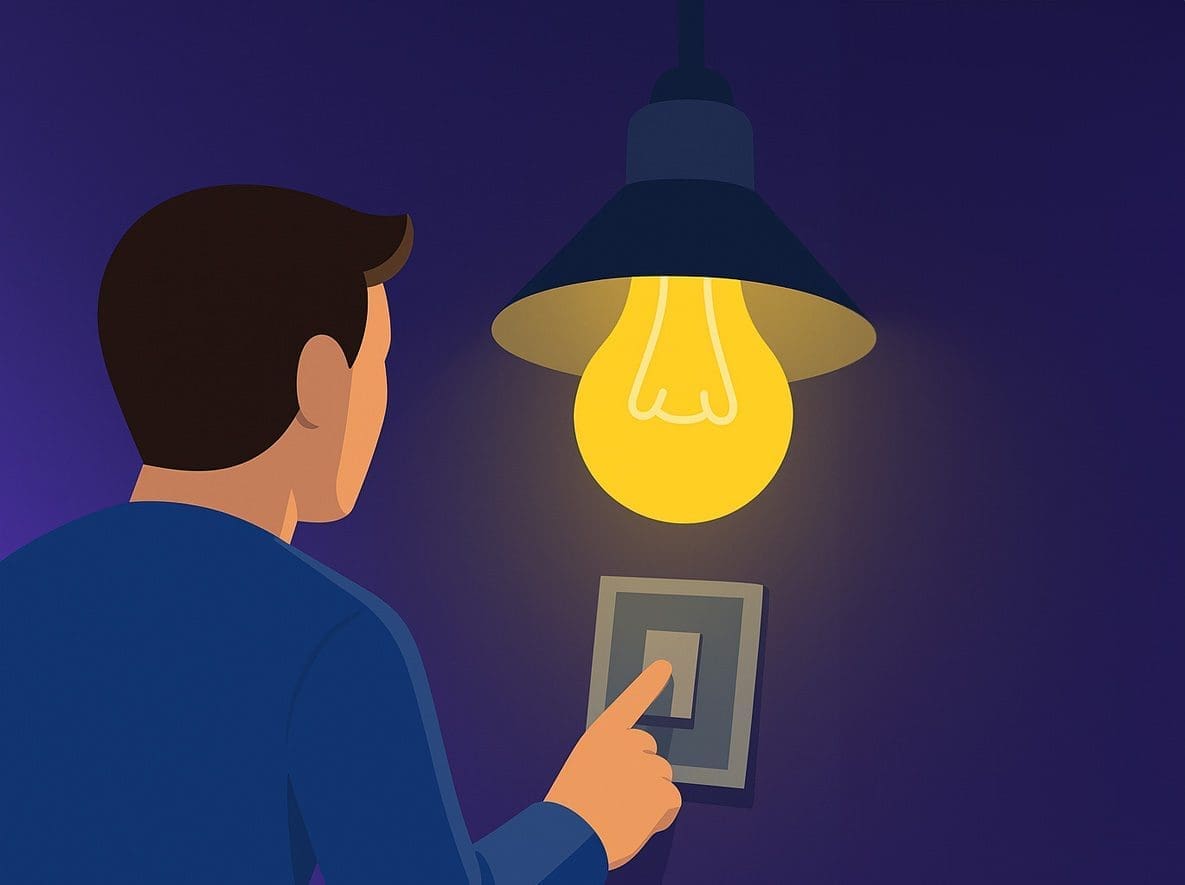
light face down for dark sky friendly

Shield & Aim Your Lights Downward

Ensure your light fixtures direct light only downward, at an angle no higher than 80 degrees from straight down. Choose fully shielded fixtures to prevent light from spilling into the sky or onto other properties.
Near water, especially in our coastal community, proper lighting is even more critical. Fish and shrimp alter their behavior in response to artificial light, which can disrupt predator-prey dynamics. By keeping lights low, warm-colored, shielded, and always facing downward, a homestead can meet its needs for safety and visibility while protecting the rhythms of the surrounding ecosystem — sustaining healthy plants, wildlife, and the natural beauty of the night sky.

Many plants rely on darkness to regulate their budding, flowering, and rest periods, and constant light from unshielded fixtures can stress trees or interfere with pollination, especially for night-blooming species that depend on moths and bats for pollination.

Mindful Dock Lighting

Island Specific Recommendations

Walkways & Steps: To prevent trips and falls — use shielded, downward-facing path lights.

Entrances & Driveways: For visibility when arriving home — use motion-activated sconces like the one you showed me earlier.

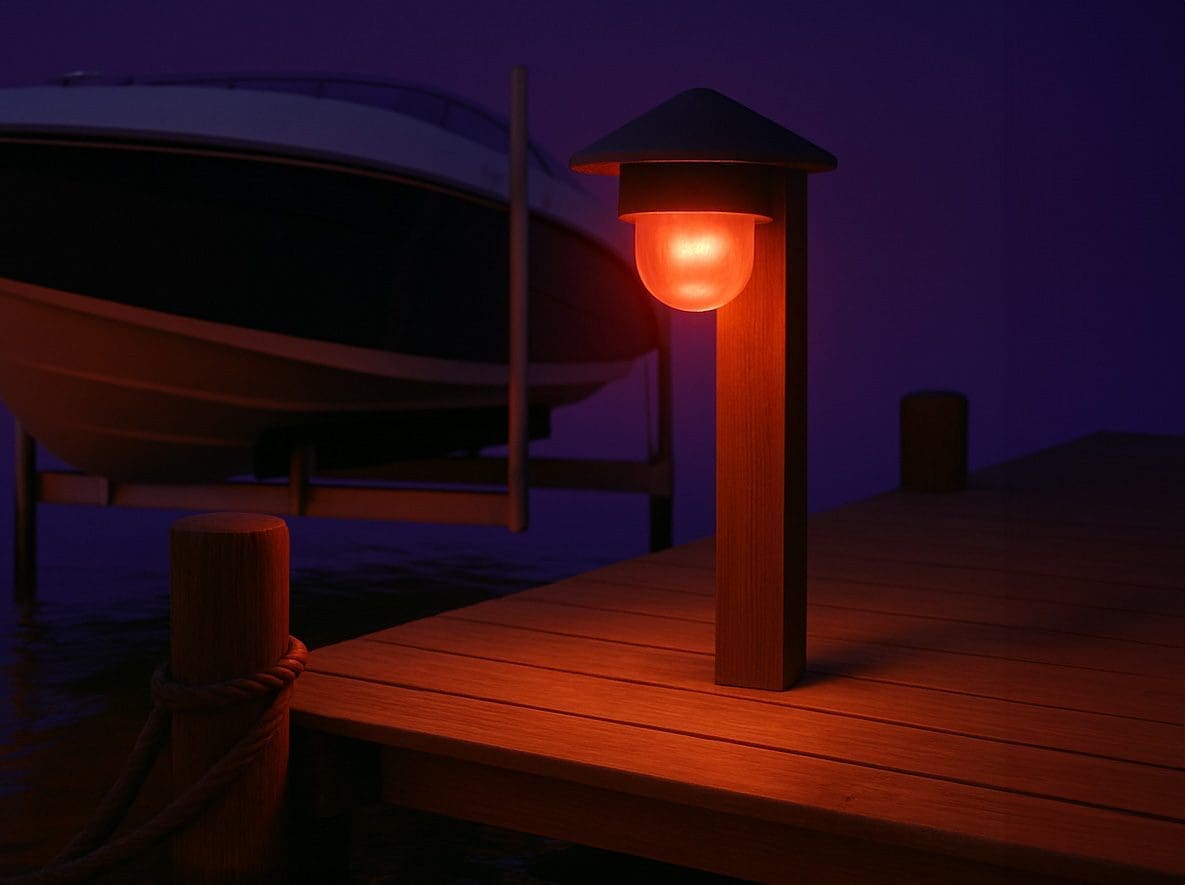
Boat Docks: Safety lighting at night — use red or amber shielded LEDs, which reduce glare on the water and are less disruptive to sea life.

owl dark sky

Make Your Home Dark Sky Friendly

Get Started Today!

Make Your Home Dark Sky-Friendly!
It’s easier than you think — follow four simple steps to cut down on light pollution and create a nighttime environment that’s healthier for plants, animals, and people, too.

Take the home outdoor lighting assessment
PDF download:
Home Outdoor Lighting Assessment

Go to the DarkSky Website and scroll down and fill out the form on the lower half of their page.

Ways to Support Us

Join our conservation programs to protect and restore our island’s ecosystems. Volunteer your time and talents, make a donation to support essential resources, or participate in our adoption program by nurturing sea oats or mangrove propagules, or adopting a mini reef to aid in marine life restoration.

Volunteer

Donate

Adopt

Hand’s on Programs

Our programs are designed for volunteers eager to learn about the ecosystem! Participate in activities such as building Vertical Oyster Gardens, propagating mangroves, restoring shorelines, and planting sea oats. Unlike traditional lectures, these hands-on experiences allow you to engage directly with the environment and make a tangible impact.

Volunteer Clean Up Island watch

Clean Islands

Volunteer Island Cleanup Team

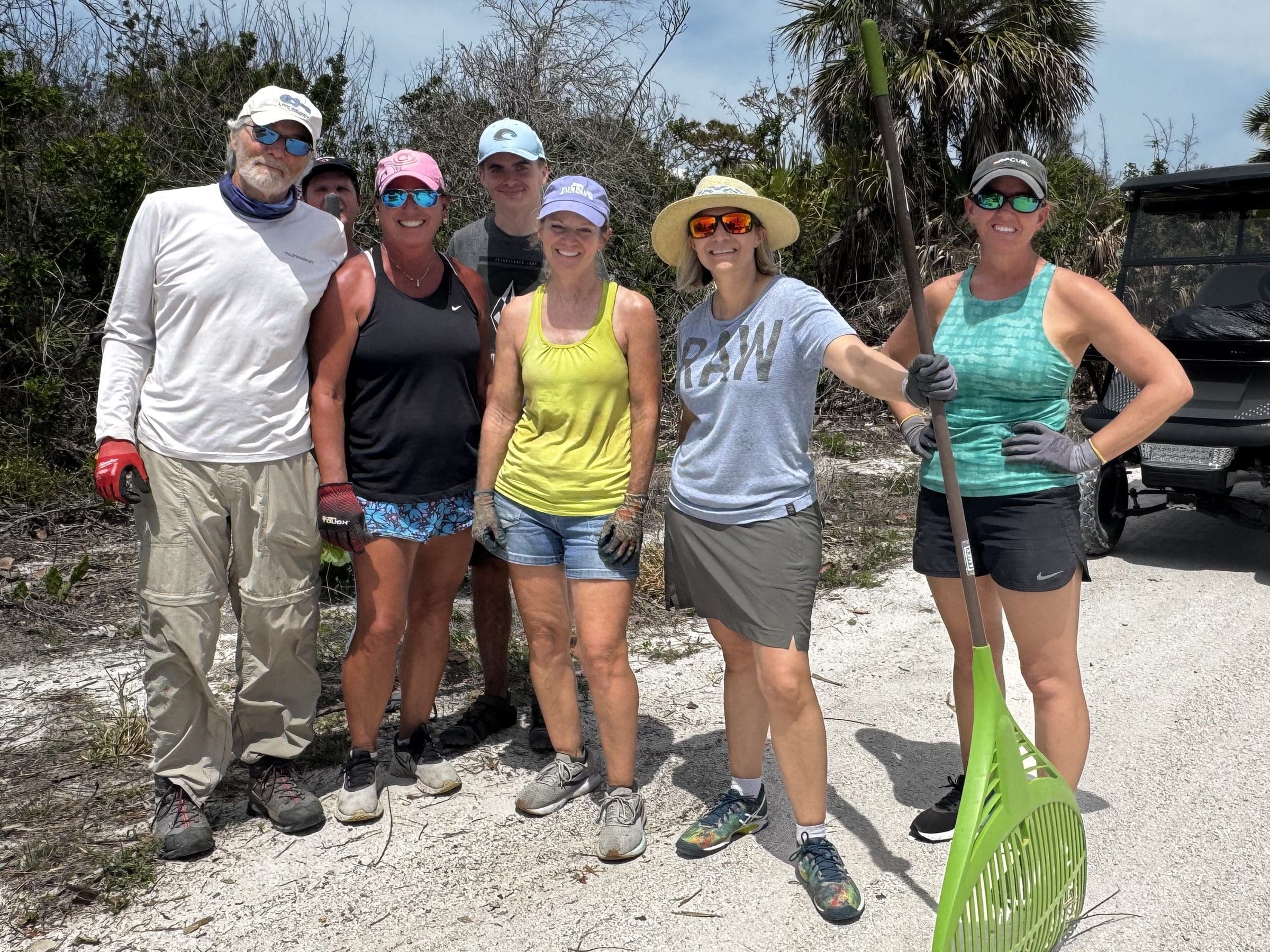
The Clean Islands volunteer team is dedicated to preserving the beauty of our island. Our passionate group of volunteers comes together to clean vital areas, including easements and beach access points, ensuring our environment remains vibrant and accessible. Thanks to our generous community members and visitors, we have successfully removed approximately 10 tons of construction debris and 6 tons of vegetation, all fueled by the energy and big hearts of our volunteers. Join us in making a real difference—get involved and help us keep BOCILLA Island beautiful.

Verticle Oyster Garden

Oysters For Clean Water

Coming this Fall 2025

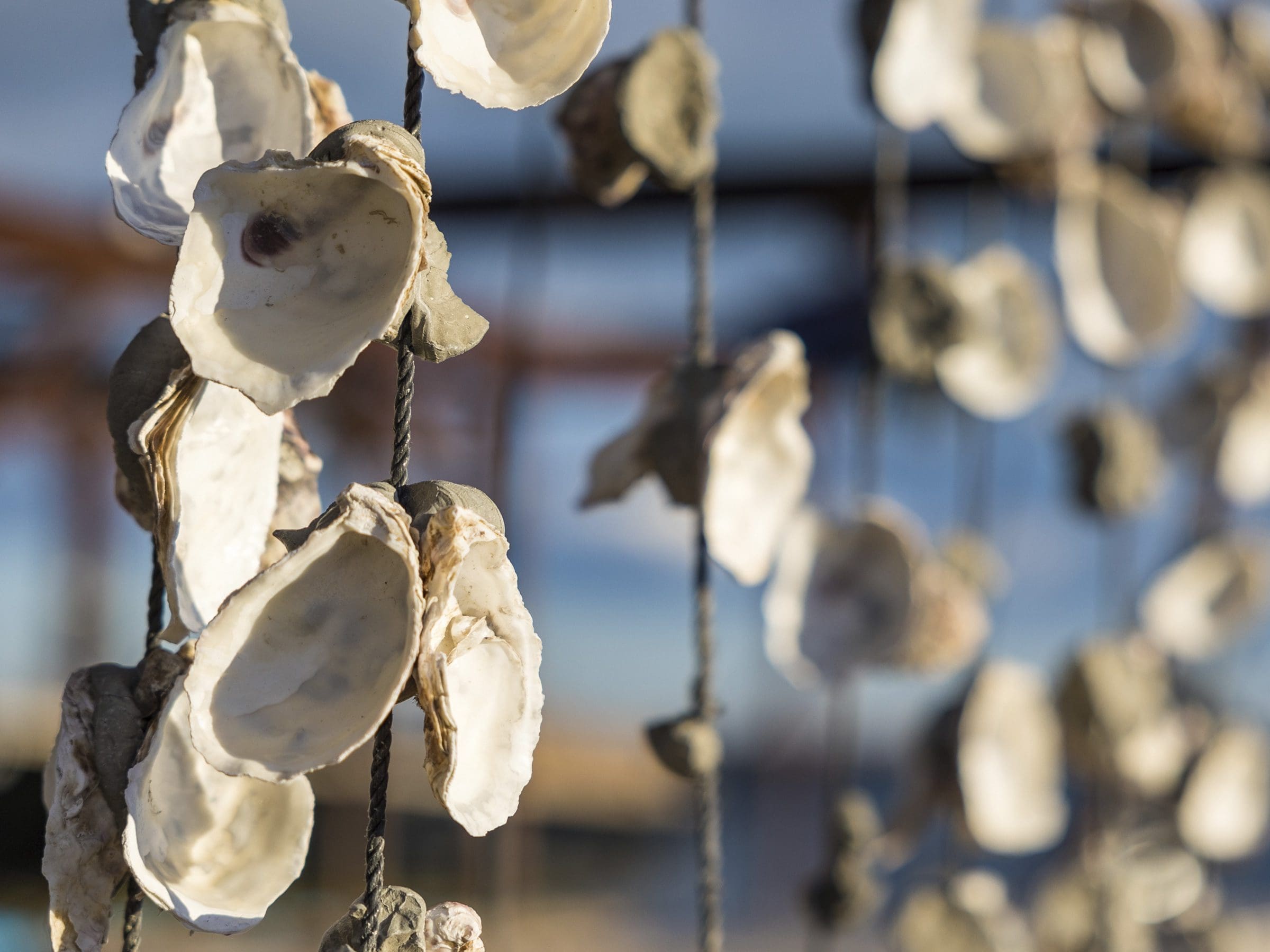
Join us in this vital mission to protect and revitalize our aquatic ecosystems!  VOGs consist of oyster shells strung together with lengths of rope, designed to hang below docks.  Building on the success of our pilot projects at the Marine Life Park and Artificial Reef, we are excited to introduce our upcoming program this fall. This effort not only aims to enrich our park’s biodiversity but also encourages community members to establish similar gardens at their docks.

mini reef installation

Mini Reef Habitat Program

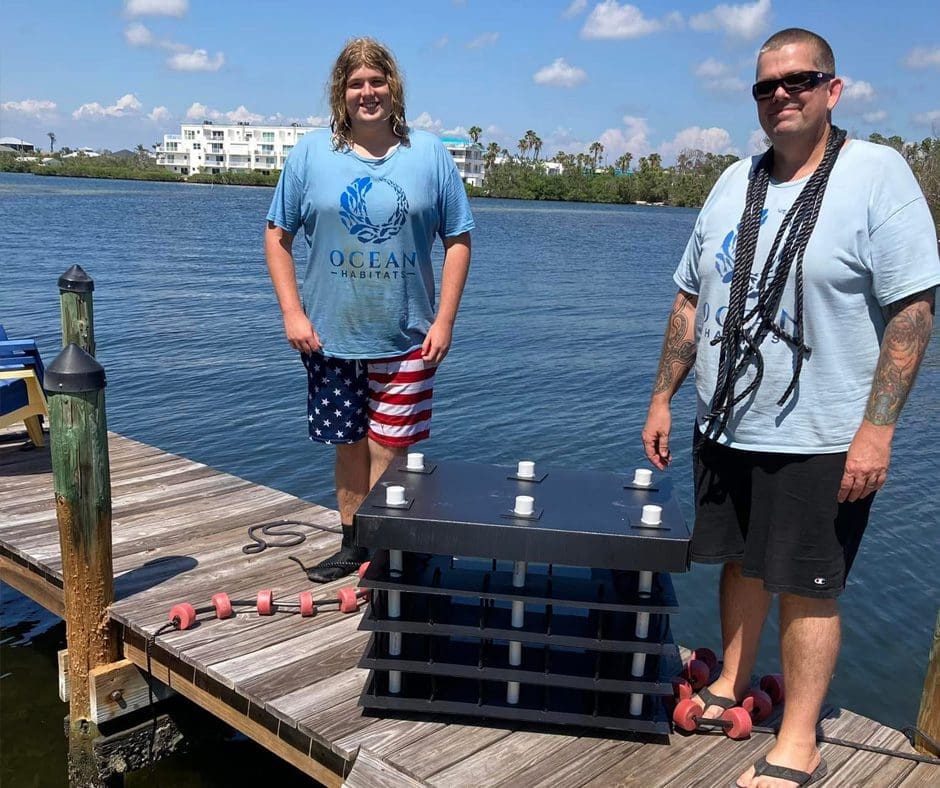
20 Mini Reefs were installed by Ocean Habitat on May 17, 2023 at the Artificial Reef & Marine Life Park.

If you have a dock, you can purchase your very own Mini Reef, and we’ll help you install it. And if you don’t have a dock, you can still join the fun by adopting a Mini Reef that will be installed at a host location or one of our parks. Best of all, you can adopt a portion of a Mini Reef — every contribution helps, and together we’ll build reefs that clean the water and bring marine life back to our islands.  Each Mini Reef filters up to 30,000 gallons of seawater daily while creating a habitat for fish and other marine life.

certified wildlife habitat final

We are a Nationally Certified Wildlife Habitat!

We are proud to be a Nationally Certified Wildlife Habitat Community, recognizing that our community as a whole met the requirements by certifying 40 individual properties and providing ongoing education that supports and celebrates wildlife conservation.

Receiving a Certified Wildlife Habitat® designation from the National Wildlife Federation means that your property provides the essential elements wildlife need to thrive—food, water, cover, places to raise young, and sustainable practices that support the local ecosystem. This certification recognizes your commitment to creating and maintaining a healthy environment where native plants and animals can flourish.