
The History 2018-2019

From the Gnome Garden to the Eco-Educational Park

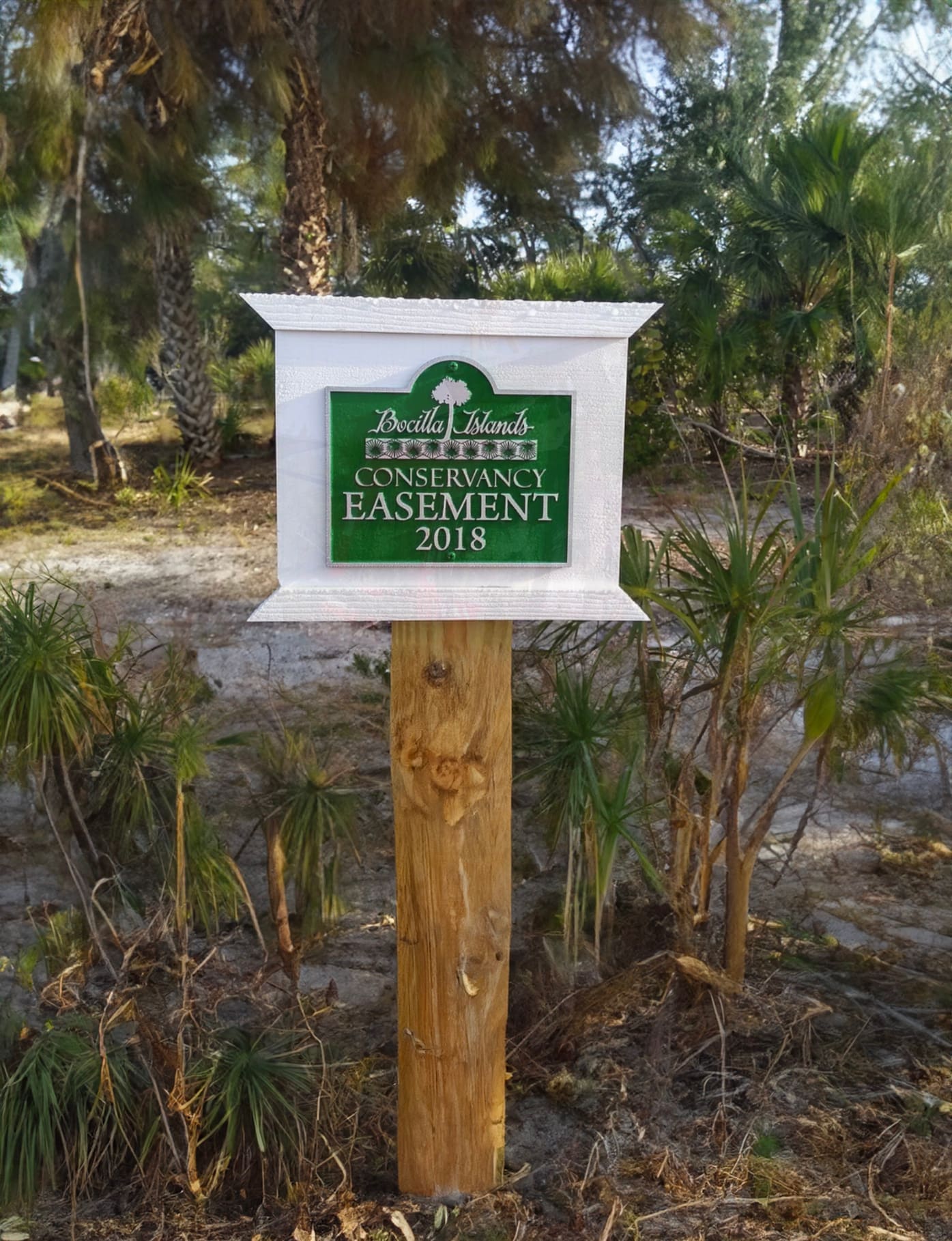
2018 Gnome Garden Established jpg

2018 160 Gasparilla Way Purchased

Bob Horswell was involved and promoted the use of Florida native plants.

The property at 160 Gasparilla Way was acquired in 2018 with the vision of creating a demonstration garden focused on Florida native plants and environmental education. The early concept was to design a space that would both showcase native landscapes and provide an engaging place for residents and children to explore nature.

    • The board approves to purchase $1500 for native plants
  • 2018 Gnome Garden Design Mike Riley Cheryl Klaus

    2018-2019 – Gnome Garden Planning and Design

    Click Below On The Headings to Learn More about the process

    The garden park was designed and planned by Kjell Plotkin, who helped lead the board’s early vision for the property. The concept focused on combining native plant education with playful, engaging elements that would invite visitors to explore and connect with the natural environment.

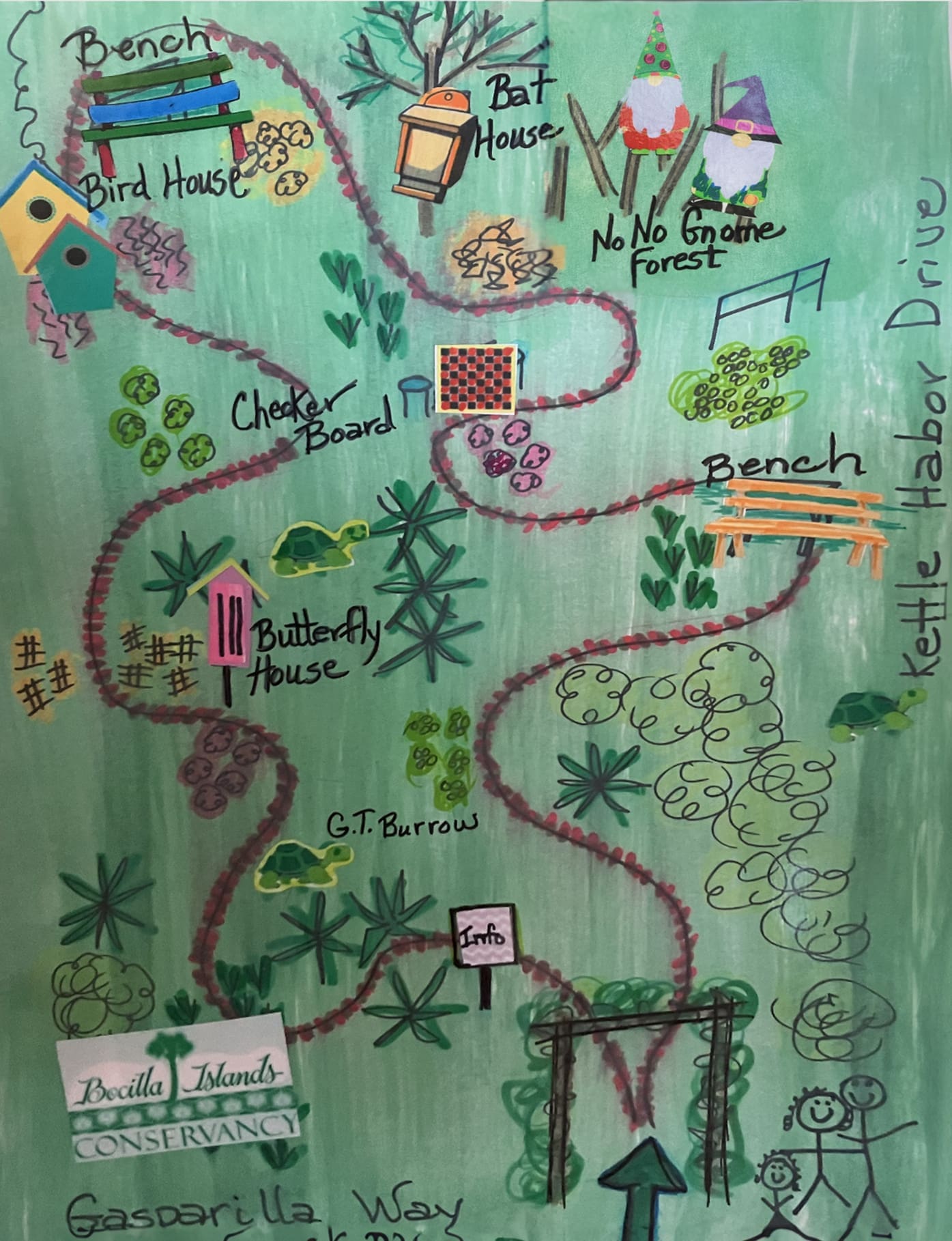
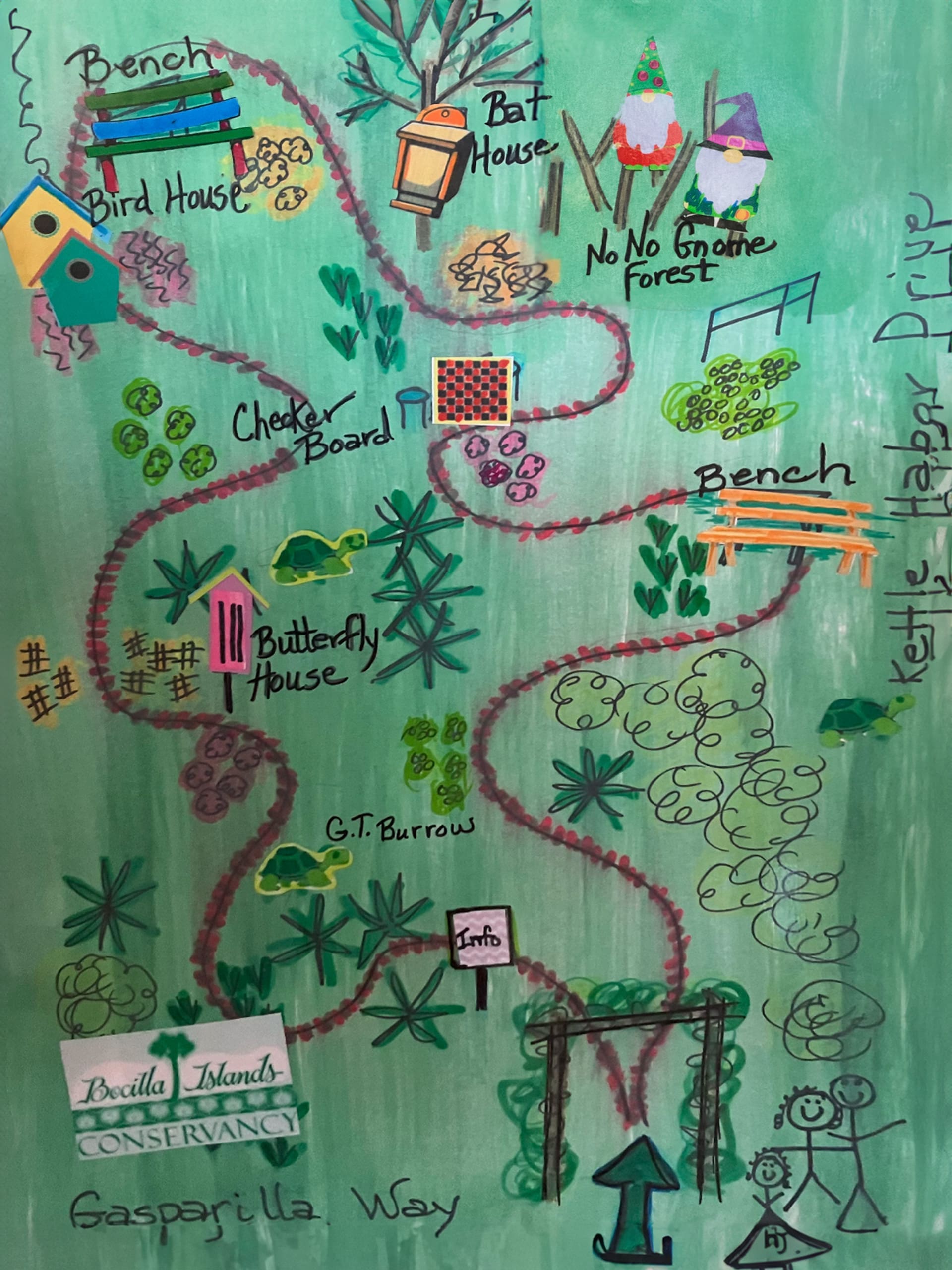
    Board members also designed the path within the Gnome Garden to intentionally spark curiosity and discovery. Features such as benches, checkerboards, gnomes, native plants, and interpretive elements like a gopher tortoise mound were thoughtfully incorporated to draw visitors into the space and encourage them to slow down, explore, and ask questions. By creating a welcoming environment for all ages, the garden introduces visitors to ideas such as native plants, wildlife habitat, and ecosystem stewardship, reflecting the interpretive approach commonly used in environmental education to help people build a deeper connection to the natural world.

    The garden was intentionally designed to blend education with play, creating a welcoming space where visitors of all ages could slow down, explore, and develop a deeper appreciation for the natural environment. By incorporating simple gathering spaces, wildlife habitats, and hands-on features, the design invites curiosity and encourages visitors to observe how native plants and animals are connected within the ecosystem.

    The design included:

    • A welcoming arch entrance
    • A checker game area
    • Benches for visitors to relax and observe nature
    • Bird houses and bat houses
    • Bee houses to support pollinators
    • Kid-friendly elements that encourage exploration and learning

    2018 Mike Riley Cheryl Klause Gnome Garden park design jpg

    2019 Ground Breaking of the Gnome Garden

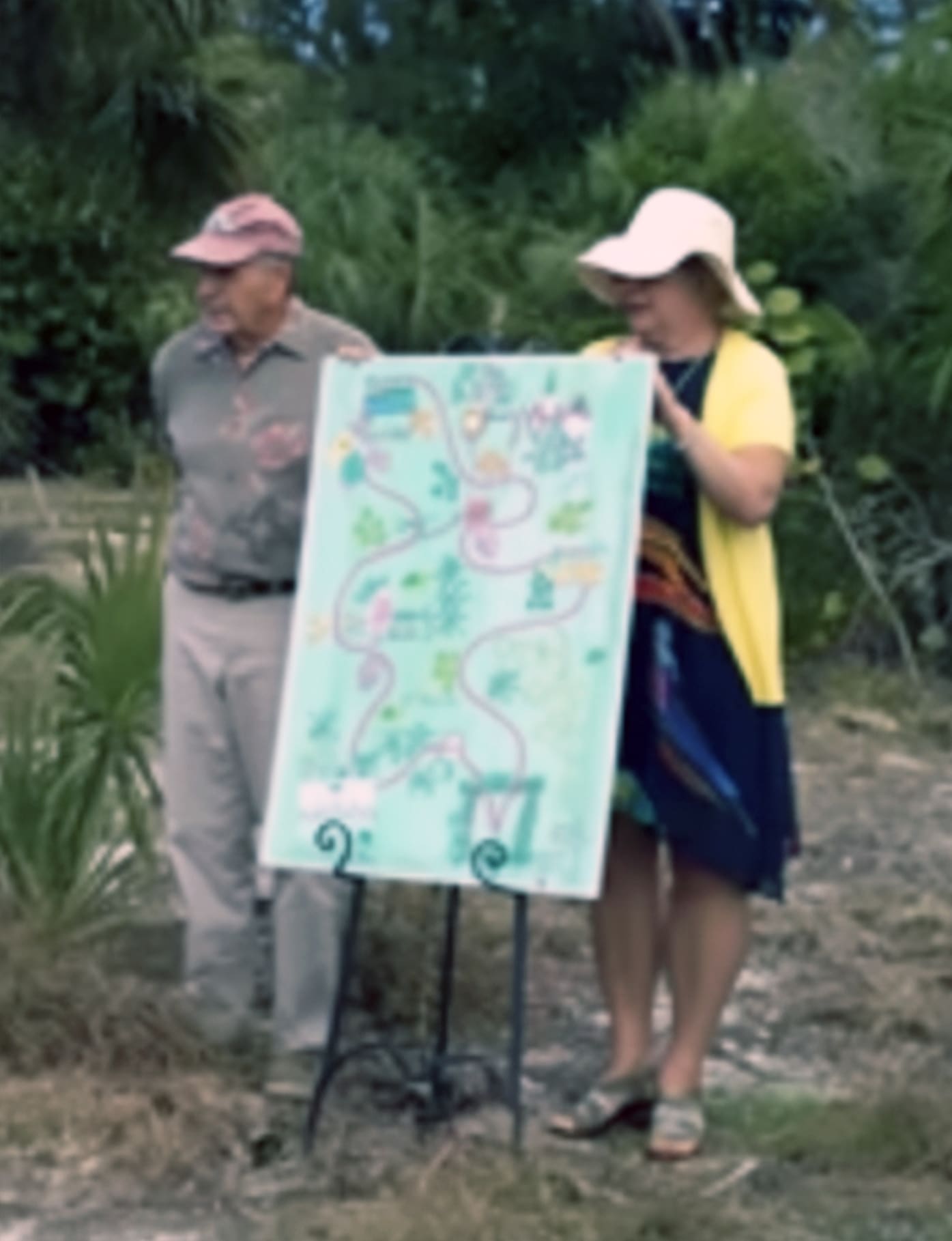
    Mike Riley & Cheryl Klaus – Gnome Garden Ground Breaking

    Mike Riley participated in breaking ground for the garden as the project began to take shape.

    The park was designed to include creative and playful elements within the landscape. Kjell Plotkin, Judy Galloway, Gary Galloway, Heather, Chell, and others painted several tree stumps to resemble gnomes, and similar painted stumps began appearing around the island as part of the early character and charm of the project.

    thank you spencer

    2019 Little Free Library Added

    The Little Free Library was donated by Jane Smith and originally painted very colorfully by Kjell.

    Books in the Little Free Library focus on conservation, native plants, and children’s stories that help young readers learn about the native ecosystem. Over time, the library has been refreshed with new paint to keep it maintained.

    2019 Native Plant signs added 2

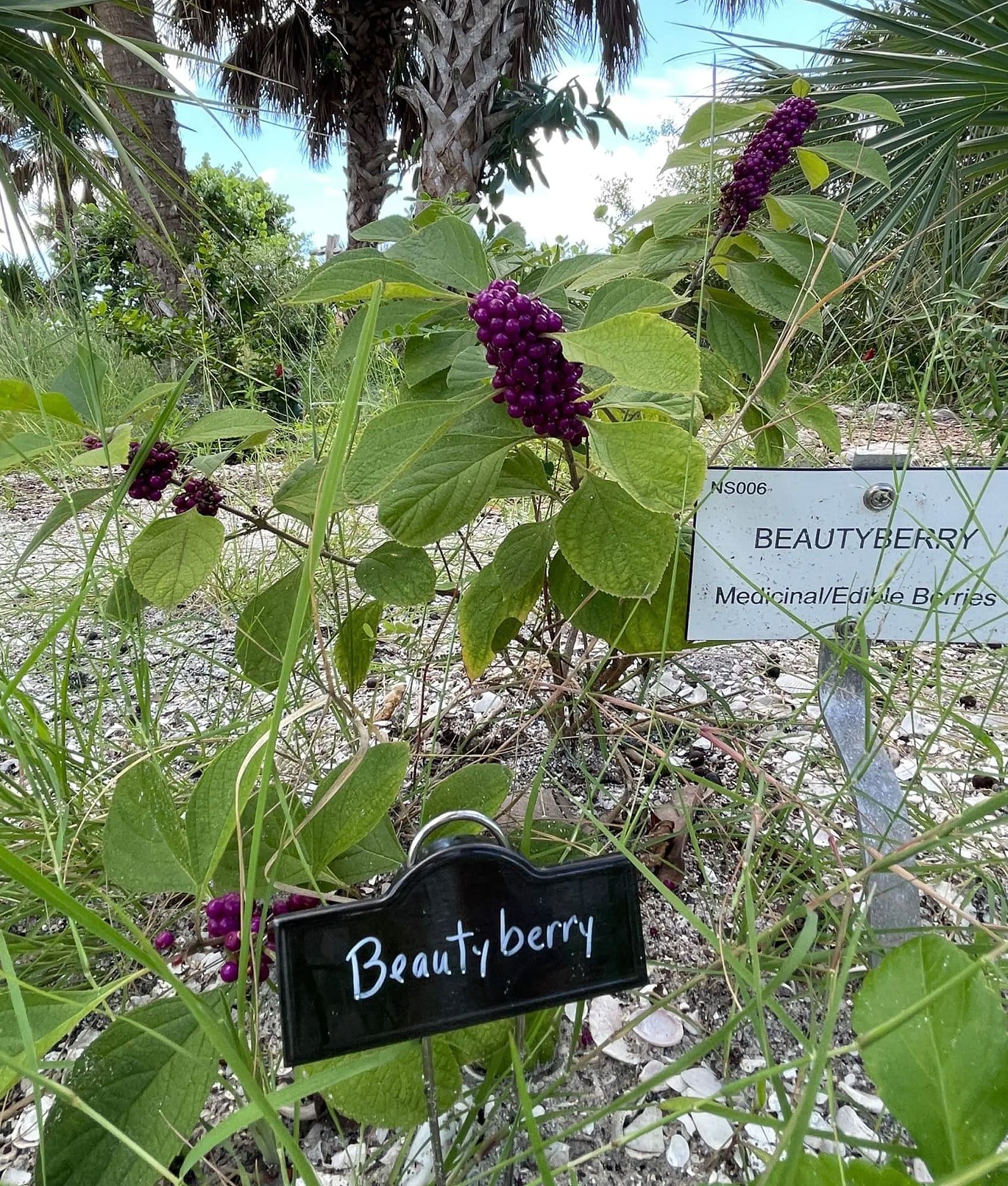
    2019 Plant Identification Signs Added

    Kjell received a grant for plant identification signs and installed them.

    The board approved a $1,500 budget for native plants after invasive species were removed from the property. The goal was to establish a demonstration garden that would show residents how native plants can support the local ecosystem by providing food for gopher tortoises, nourishing birds, and supporting pollinators such as bees. By restoring and curating the site with native species, the park was intended to inspire island residents to incorporate similar plantings in their own yards.

    Volunteer Judy Galloway with children writing a book.

    2019, Book Published – The No Gnome Garden

    Bocilla Islands Conservancy Publishes “The No Gnome Garden Book”

    Bocilla Islands Conservancy published its own children’s book, How the No, No, Gnome Forest Came to Be. The book introduces young readers to the issue of invasive plant species and how they can change ecosystems and harm the environment. It was written and illustrated by children who love the island.

    Today, gnomes are used throughout the park as a playful way to draw attention to native plants. Placed near plant identification signs, the gnomes help children get down to that level, notice the plants, and begin connecting the characters they enjoy with the native species they are learning about. For example, a small gnome might be placed beneath a native plant such as firebush, inviting children to read the plant label and discover how that species supports the local ecosystem.

    Gnome Garden MAP 2019

    The Original 2019 Design of 160 Gasparilla Way’s Gnome Garden

    Board members designed the path within the Gnome Garden to intentionally invite curiosity and discovery. Elements such as benches, checkerboards, gnomes, native plants, and interpretive features like a gopher tortoise mound were thoughtfully incorporated to draw visitors into the space and encourage them to slow down, explore, and ask questions. By creating a welcoming environment for all ages, the garden helps introduce visitors to concepts such as native plants, wildlife habitat, and ecosystem stewardship. This approach reflects the interpretive philosophy commonly used in environmental education, where engaging the senses and sparking curiosity helps people build a deeper connection to the natural world.

    Ways to Support Us

    Experience the joy of making a difference with hands-on activities in our conservation programs! Sign up on our calendar and invite friends and family to join you in protecting and restoring our island’s precious ecosystems.

    Volunteer

    Donate

    Adopt

    Past Island Living Lecture Series

    From the sea floor to the sky: Protecting our island treasures.

    The Island Lecture Series is a fun social gathering to meet, mingle, and learn. It is an opportunity to explore interesting topics that highlight our island’s unique environment, the importance of land conservation & other interests of our island community.

    Protect the Sea Turtles

    From Spring 2025

    Did you know sea turtles don’t even begin to reproduce until they’re 25 years old? That’s just one reason protecting their nests is so critical. We’ve highlighted key insights from a recent discussion with Carol McCoy of the Coastal Wildlife Club — from monitoring and Lights Out efforts to the hidden threats of microplastics.

    Save the Sea Grass

    From Spring 2025

    Did you know underwater seagrass can capture carbon up to 35 times more efficiently than a rainforest? These meadows don’t just clean our air — they also feed fisheries, clear our waters, and protect Charlotte Harbor’s shoreline.

    Protect the Shore Birds

    From Spring 2025

    Did you know many Florida shorebirds nest directly on the sand and in fragile dunes? In a recent lecture, bird specialist Mike Weisensee explained how giving these areas space during nesting season helps protect eggs and chicks — and allows us to share the beach while safeguarding their habitats.

    Hand’s on Programs

    Our programs are designed for volunteers eager to learn about the ecosystem! Participate in activities such as building Vertical Oyster Gardens, propagating mangroves, restoring shorelines, and planting sea oats. Unlike traditional lectures, these hands-on experiences allow you to engage directly with the environment and make a tangible impact.

    Volunteer Clean Up Island watch

    Clean Islands

    Volunteer Island Cleanup Team

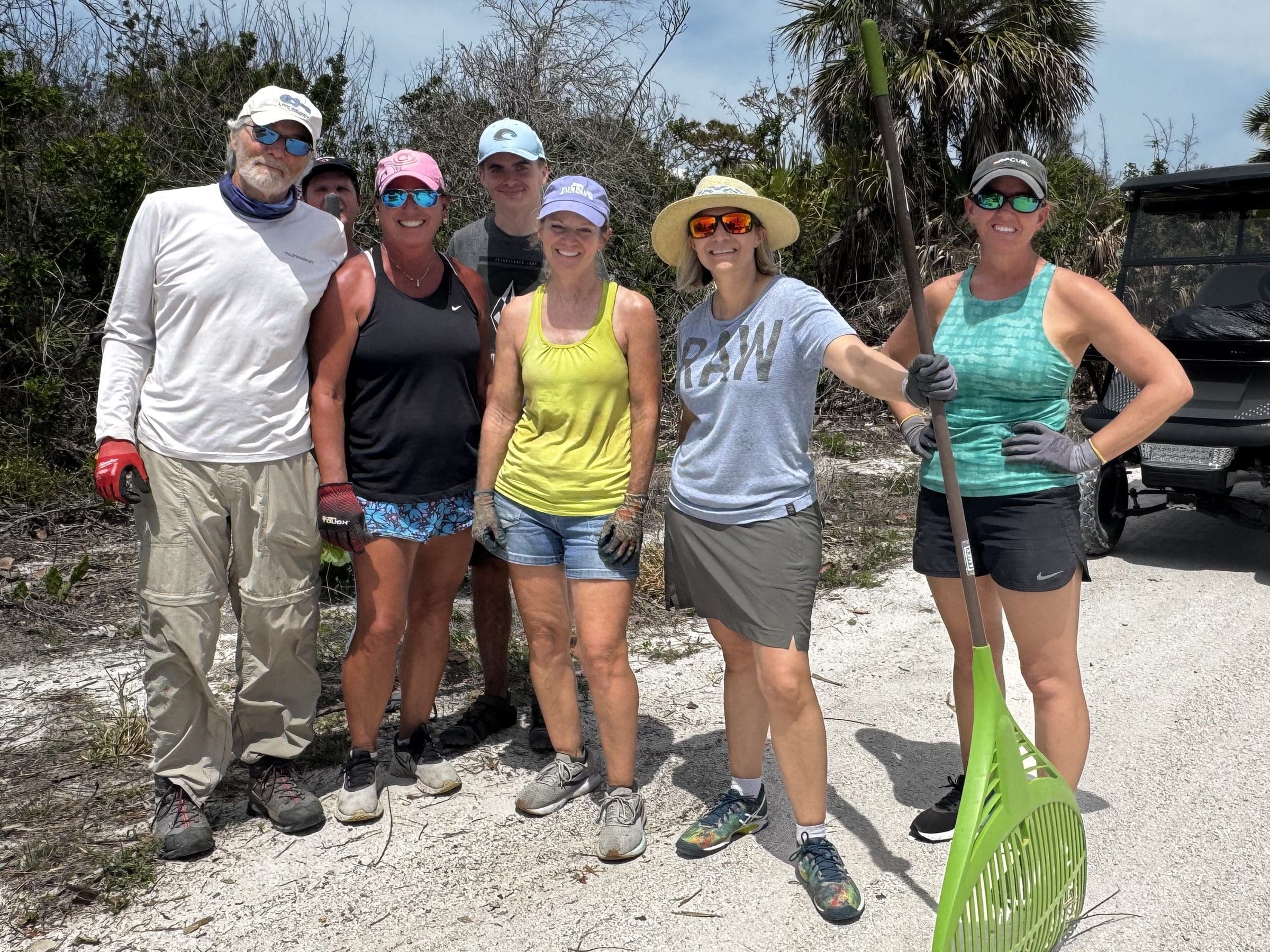
    The Clean Islands volunteer team is dedicated to preserving the beauty of our island. Our passionate group of volunteers comes together to clean vital areas, including easements and beach access points, ensuring our environment remains vibrant and accessible. Thanks to our generous community members and visitors, we have successfully removed approximately 10 tons of construction debris and 6 tons of vegetation, all fueled by the energy and big hearts of our volunteers. Join us in making a real difference—get involved and help us keep BOCILLA Island beautiful.

    Verticle Oyster Garden

    Oysters For Clean Water – Vertical Oyster Garden Workshops

    March 19th 2026 & April 2026 (Date TBD)

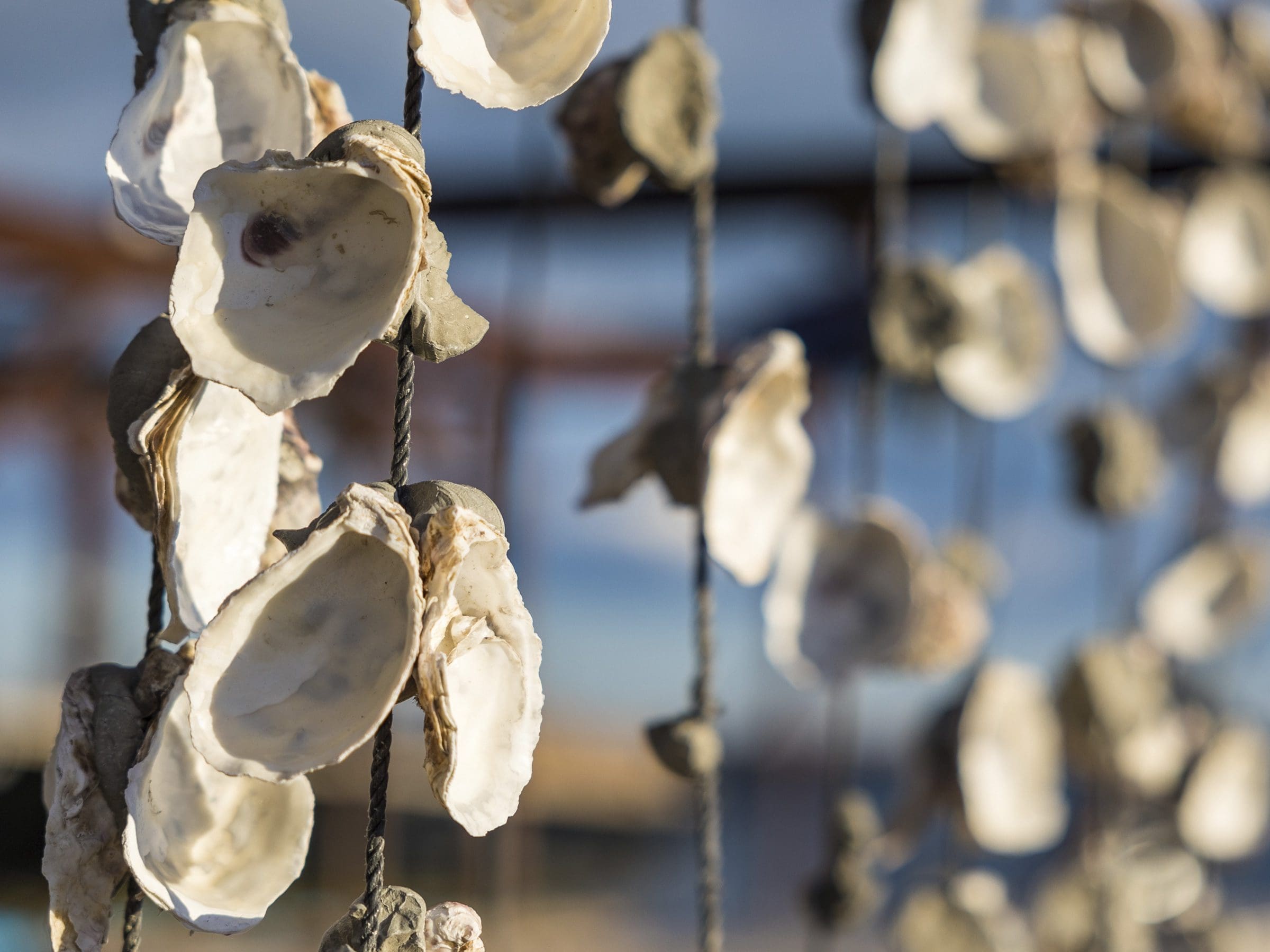
    Click Here to Sign Up.  Join us in this vital mission to protect and revitalize our aquatic ecosystems!  VOGs consist of oyster shells strung together with lengths of rope, designed to hang below docks.  Building on the success of our pilot projects at the Marine Life Park and Artificial Reef, we are excited to introduce our upcoming program this fall. This effort not only aims to enrich our park’s biodiversity but also encourages community members to establish similar gardens at their docks.

    mini reef installation

    Mini Reef Habitat Program

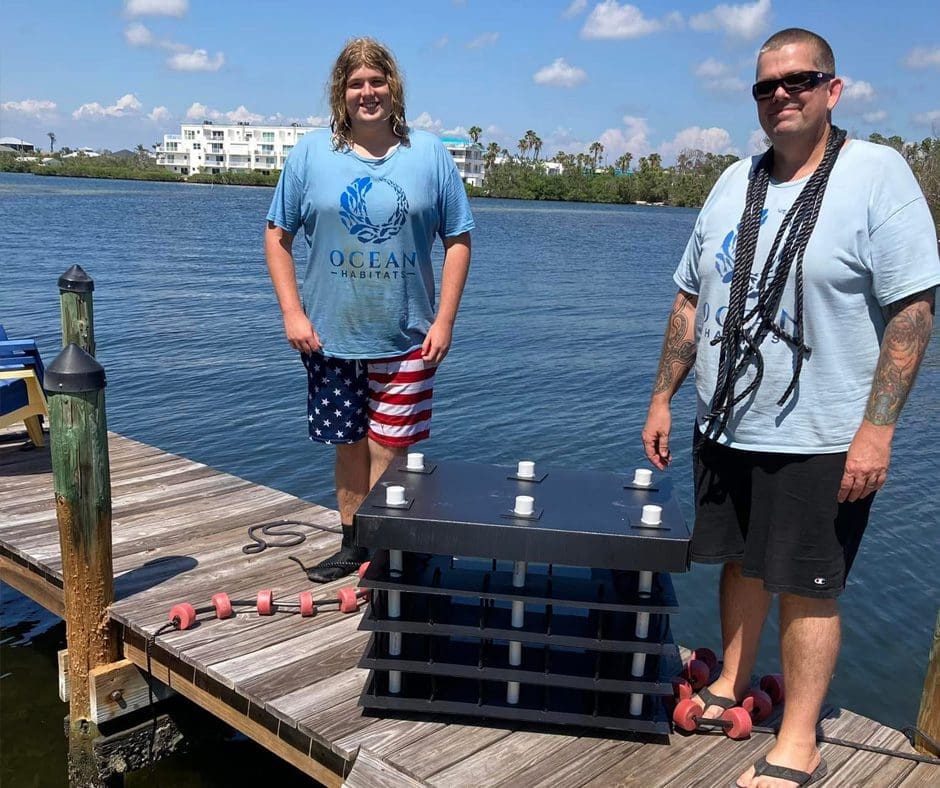
    20 Mini Reefs were installed by Ocean Habitat on May 17, 2023 at the Artificial Reef & Marine Life Park.

    If you have a dock, you can purchase your very own Mini Reef, and we’ll help you install it. And if you don’t have a dock, you can still join the fun by adopting a Mini Reef that will be installed at a host location or one of our parks. Best of all, you can adopt a portion of a Mini Reef — every contribution helps, and together we’ll build reefs that clean the water and bring marine life back to our islands.  Each Mini Reef filters up to 30,000 gallons of seawater daily while creating a habitat for fish and other marine life.

    certified wildlife habitat final

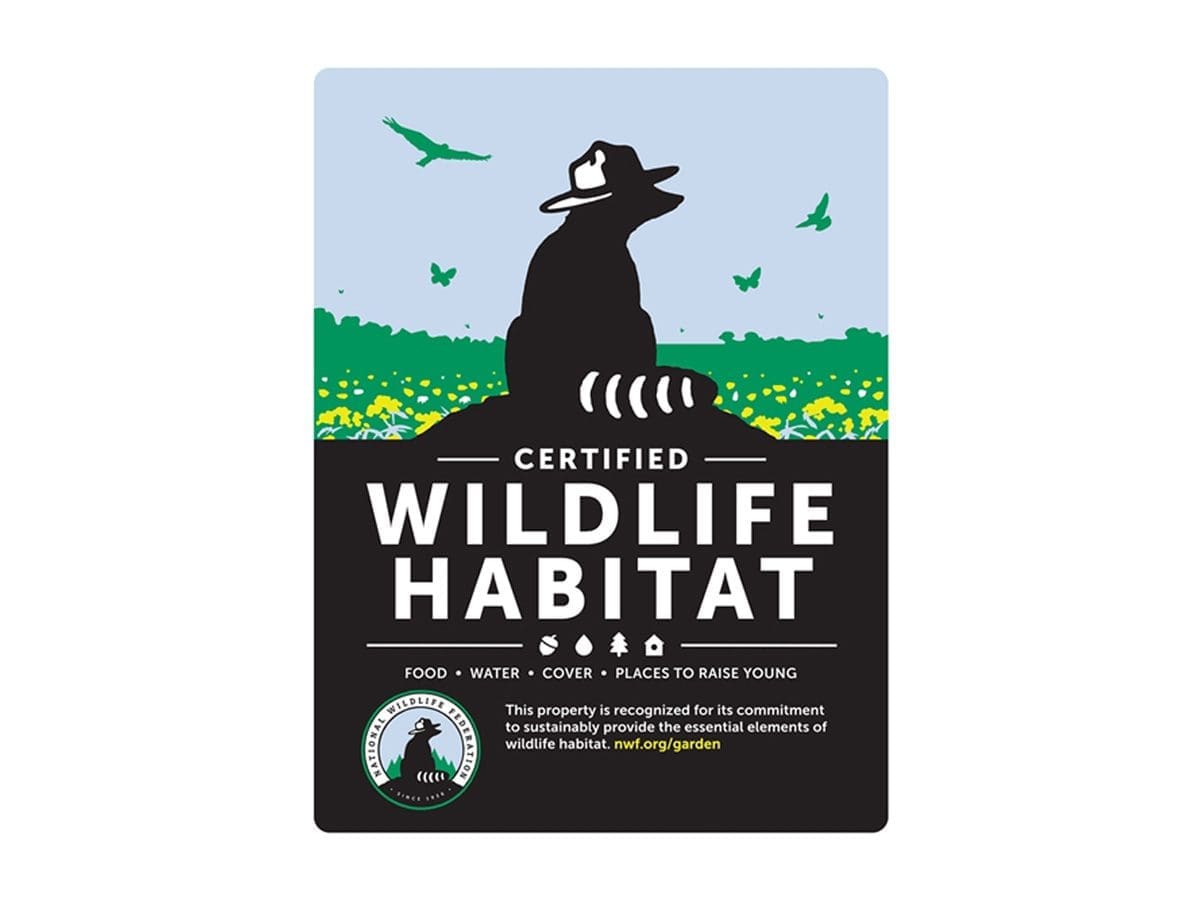
    We are a Nationally Certified Wildlife Habitat!

    We are proud to be a Nationally Certified Wildlife Habitat Community, recognizing that our community as a whole met the requirements by certifying 40 individual properties and providing ongoing education that supports and celebrates wildlife conservation.

    Receiving a Certified Wildlife Habitat® designation from the National Wildlife Federation means that your property provides the essential elements wildlife need to thrive—food, water, cover, places to raise young, and sustainable practices that support the local ecosystem. This certification recognizes your commitment to creating and maintaining a healthy environment where native plants and animals can flourish.

    Go on a Eco Sign Tour!

    Enjoy a self-guided tour right here on our island.

    On the map, click the image or number of any educational sign to open Google Maps and get directions—start anywhere, and explore by foot, car, or golf cart as you discover plaques celebrating our native plants, wildlife, and the ways our island ecosystem fits together.

    Educational Sign Tour